
You know the feeling: you’ve done the hard work, but payday is still days away.
And so often, that’s when the car starts making a strange noise, the rego reminder pops up, or the fridge suddenly looks bare.
For millions of Australians, that gap between earning your pay and getting your pay can be the difference between staying steady and spiralling into stress.
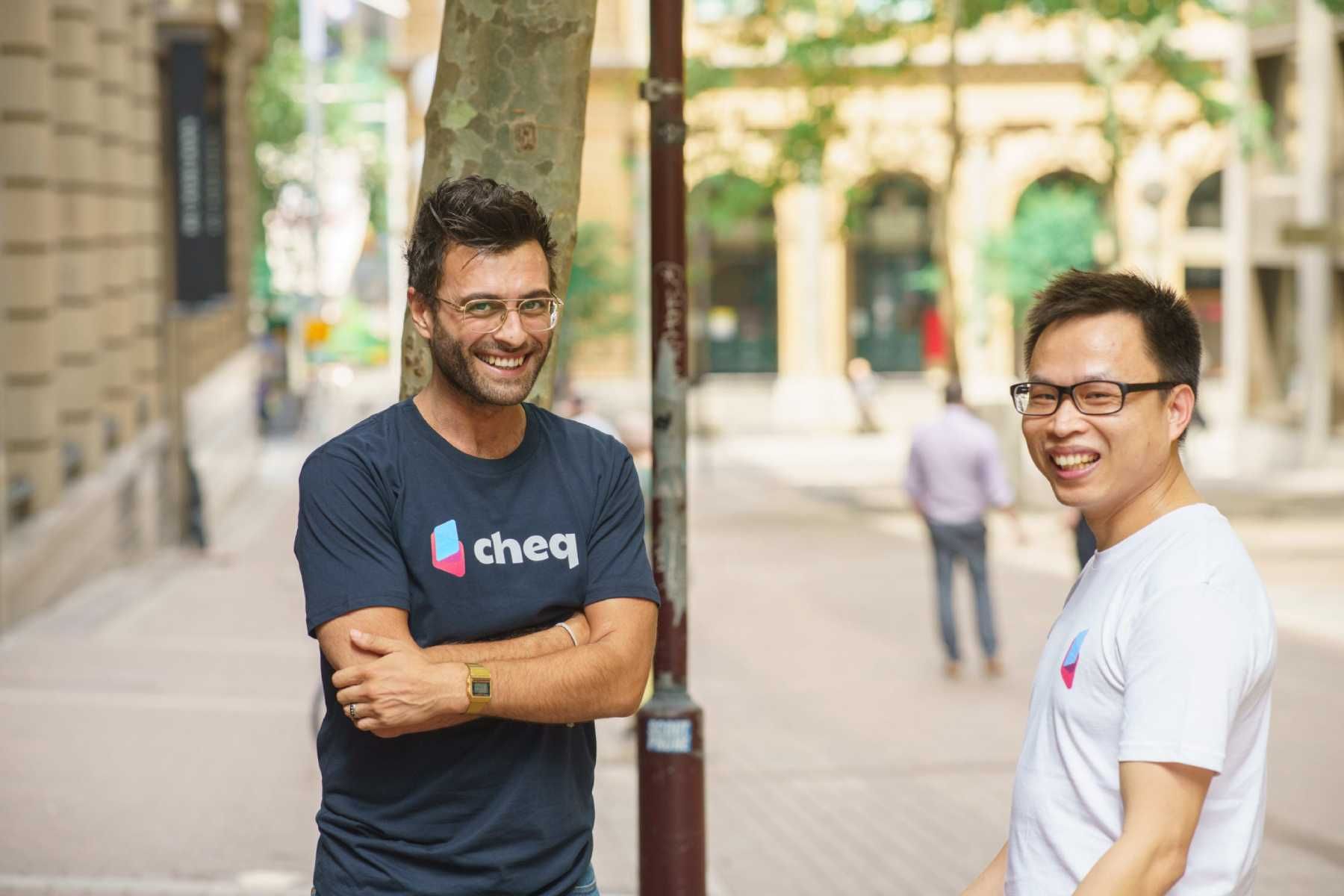
That’s the problem two Sydney founders, Tarek Ayoub and Dean Mao, wanted to solve when they launched Cheq in 2019.
They knew there had to be a safer, fairer option than payday lenders, the kind that charge eye-watering fees and can keep people trapped in a cycle that’s hard to escape. So they set out to build it.
Financial stress is everywhere
Financial stress isn’t rare. It’s not something that only happens to “other people”.
More than half of Australian households experience some level of money stress. Plenty of people have no savings buffer. Many live pay cheque to pay cheque. And when an unexpected bill lands, like medical costs, groceries, petrol, school expenses, the choices can feel brutal.
Cheq’s founders saw the knock-on effect, too. Stress doesn’t stay neatly in your bank account. It follows you into work, into your relationships, into your sleep. It can affect confidence, decision-making, and mental health.
It also has a national cost. Estimates put the impact on Australian businesses at more than $30 billion a year, driven by absenteeism, lower productivity, and the quiet burnout people carry when money is tight.
When people don’t have a safe short-term option, many end up going to payday lenders. These lends offer options that can charge anywhere from 50% to well over 100% in fees. Once you’re in, it can be hard to get out.
Four pillars of financial wellbeing
Cheq’s answer wasn’t to hand people a bigger loan and wish them luck. Instead, they built an app to help people get control back, with four pillars of financial wellbeing:
- Budgeting
- Spending
- Saving
- Borrowing
At the centre of it is a “pay as you earn” feature, giving eligible users access to a portion of their pay before payday, for a single fixed fee, with no interest and no late fees.
But Cheq went further. The app also helps users understand what’s happening in their money day to day. It can:
- Create a budget based on past spending
- Predict when bills are due
- Show what’s safe to spend daily
- Help set savings goals and drip money into them automatically
It’s built to be time-bound and transparent; to support you through a rough patch, not hook you into ongoing debt.
People wanted it, fast
The idea landed quickly. Within days of an early beta launch, hundreds of people had downloaded the app.
Most pay advances were small, and often used for basics like transport and groceries. In many cases, users didn’t even spend the money straight away, they kept it there as a buffer, just to feel a little more stable.
In 2020, Cheq raised $1.75 million to help grow the business. But for the founders, the goal stayed the same: this was never to encourage people to spend. It was to smooth cash flow and help Australians avoid the worst of predatory lending.
Growing inside the Stone & Chalk community
Cheq’s growth also happened alongside the support of the startup ecosystem, including the community at Stone & Chalk in Sydney. And in classic startup fashion, some of the biggest moments didn’t happen in meetings.
As Tarek once put it, “I closed a deal at the coffee machine.”
That kind of serendipity, access to peers, partners, and shared learning, is part of what helps startups move faster and think bigger.
Today, more than 70,000 Australians have downloaded the app, with tens of thousands actively using the service.
It’s a sign that people are hungry for financial products that feel clear, fair, and human, not punishing or designed to profit when you’re struggling.
Cheq’s story is a reminder that sometimes success is simply about giving people a little breathing room, right when they need it most.
